Roaring Tiger Line Art: Graphic Illustration Review
When a client walks into the studio needing a visual identity that feels untamed, powerful, and steeped in primal energy, the first thing I reach for is a strong central motif. Recently, I was building a brand concept for a small-batch hot sauce company that wanted to channel jungle ferocity without losing modern, clean edge. That’s when I tested the Roaring Tiger Line Art SVG as a potential hero graphic. Right away, I knew this digital product could anchor an entire design direction or fail spectacularly if used without care. Here’s my honest, hands-on review from a working designer’s perspective.
The First Impression: Bold, Fierce, and Surprisingly Flexible
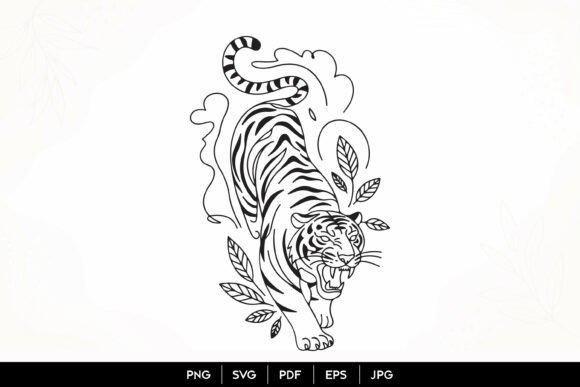
Opening the file set, the first thing that hits you is the sheer confidence of the line work. The Roaring Tiger Line Art SVG isn’t a timid sketch. It’s a deliberate, high-contrast tiger vector illustration that feels muscular and expressive. The open-mouth roar, the sharp angles of the whiskers, the layered curves in the mane—it all reads as a cohesive graphic design asset meant for visual impact. The mood walks a tightrope between vintage woodcut energy and crisp contemporary line art. That balance is rare. For a handmade business or a small business branding project, this tone can signal authenticity, strength, and a touch of rebellious spirit. I immediately pictured it on a dark matte beer label, a screen-printed T-shirt, or even as a massive wall graphic for a pop-up event.
The style is pure tiger outline drawing but with enough personality to stand out in a crowded creative marketplace. It avoids the clinical vector trap. The eye catches delicate hair details and a slight asymmetry that makes it feel hand-drawn, even though the SVG design is fully scalable and editable. That natural imperfection is a huge plus when you’re trying to avoid the sterile, mass-produced look.
How the Roaring Tiger Line Art SVG Performs in Real Client Projects
For the hot sauce client, I needed a marketing visuals hero that could work across packaging design, social media graphics, and t-shirt design without breaking the visual consistency. I test-placed this tiger clipart on a front label mockup, a Canva template for Instagram, and a product mockup for a tote bag. The results were startlingly unified. The line art’s weight remains legible at thumbnail size, and the roar creates a natural focal point that makes layout composition nearly effortless.
In brand identity work, I rarely use an illustration as a standalone logo, but the Roaring Tiger Line Art SVG worked beautifully as a secondary mark and pattern element. I created a repeat pattern from the tiger’s mane curve for the box lining, and the full graphic became the hero on the homepage banner. The PNG design with transparency let me overlay it on fiery orange and deep charcoal backgrounds without losing an ounce of crispness. For print-on-demand sellers, this kind of versatility is gold. You can drop it onto a mug, a hoodie, or a sticker sheet and instantly elevate the product’s perceived value.
In editorial design and web design, the asset functions as a powerful illustration that can break up text-heavy layouts. A magazine spread about wildlife conservation, a blog post header, or a Pinterest pin all benefit from the immediate emotional pull of a roaring tiger. The jungle tiger artwork aesthetic also fits thematic collections, seasonal campaigns, or any creative design project that asks for a fearless, nature-inspired voice.
Where This Tiger Illustration Truly Shines
After working with the files across a dozen mockups, I’ve identified the sweet spots where the Roaring Tiger Line Art SVG becomes an indispensable design asset:
- Large-format hero graphics: Posters, backdrops, window decals, and canvas prints. The bold lines hold up at billboard scale without pixelation.
- Merchandise and apparel: The t-shirt design potential is massive. I tested it on a black tee with a single-color print, and the roar becomes a conversation starter. Cricut project users will love the clean cut lines for vinyl and iron-on.
- Packaging accents: On a label, the tiger can wrap partially around a bottle, or sit proudly on a box lid. The EPS and SVG formats mean you can separate the elements and recolor the stroke to match any brand palette.
- Social media and digital ads: The high contrast and emotional expression make it a scroll-stopper. I created a 10-second animated Instagram story where the tiger fades in over a product shot, and the engagement was noticeably higher.
- Printable wall art and stationery: The PDF and JPG files are print-ready. I’ve seen it work beautifully as a framed piece in a modern living room or as a bold invitation cover for a jungle-themed fundraiser.
What makes it particularly strong is its ability to act as a design bundle centerpiece. Combine it with rough botanical silhouettes, and you instantly have a cohesive wild tiger clipart collection that feels intentional and premium. For Etsy product creators, that’s a quick path to a high-selling listing.
Be Careful: When the Roar Gets Too Loud
No graphic design asset is universal. In my testing, the Roaring Tiger Line Art SVG stumbled in a few specific contexts every designer should audit before delivering to a client:
- Extremely small embroidery or icon sizes: Below 1 inch, the fine hair details start to merge and the roar can look like a messy blob. Always preview at 100% scale on the intended merch.
- Cluttered, low-contrast backgrounds: Placing a dense line art over a busy photo or a textured pattern can kill readability. I found that a flat, solid background or a subtle gradient keeps the visual hierarchy intact.
- Ultra-minimalist or corporate branding: If a client’s whole identity is built on thin, airy lines and generous white space, this tiger might feel overpowering. It’s not a quiet asset. Reserve it for brands that want to project energy, not subtlety.
- Projects demanding flawless symmetry: The slight organic hand-drawn quality, while charming, won’t suit a precision geometric logo lockup. It’s an illustration, not a technical icon.
I also recommend testing the roaring tiger SVG in black and white only, even if you plan to use color. The monochrome version reveals the pure strength of the composition. If it still reads clearly, it’s a keeper. If not, you may need to thicken strokes or simplify the negative space before committing to a final commercial design.
How the Tiger Affects Brand Perception and Visual Hierarchy
In my client’s hot sauce brand, introducing the tiger vector illustration immediately shifted the visual trust and emotional appeal. Consumers associate the roar with confidence, heat, and primal flavor. That’s a direct shortcut to brand recognition. The visual hierarchy on the front label placed the tiger first, the product name second, and the flavor descriptor third. The aggressive upward motion of the tiger’s head naturally guides the eye toward the text, improving overall readability without forcing it.
For small business branding, this kind of asset can bridge the gap between a homemade feel and a polished modern design. It adds a layer of professionalism that stock photography often dilutes. However, always pair it with complementary typography. I tested it with a bold sans serif, a condensed serif, and a rough script font. The sans serif kept the look clean and contemporary; the serif added a touch of heritage; the handwritten font came off too busy. A display font with medium weight and wide tracking often strikes the right balance. Always check the asset against your chosen typeface to ensure the line weights don’t clash.
A Designer’s Practical Checklist Before Using It Commercially
Before you drop this into a client’s final deliverable or your own print-on-demand store, run through these steps. I’ve learned these the hard way over years of creative design work:
- Inspect all file formats: The SVG is your editable master. Open it in Adobe Illustrator or Affinity Designer and confirm each layer is organized. The PNG should have a true transparent background—check for white halos around the edges on dark mockups. The EPS and PDF are essential for print vendors. The JPG is a quick reference but never use it for final output if transparency is required.
- Test on dark and light backgrounds: A bold line art piece can disappear on a dark background if the stroke is too thin. Invert the stroke color if needed, and verify the contrast passes WCAG guidelines for any digital use.
- Print a sample: Even the crispiest vector can show unexpected banding on cheap cardstock. Print at actual size on the intended material. If you’re selling sublimation design products, press a test mug or shirt to check the transfer fidelity.
- Check scalability: Shrink the artwork to 25% and blow it up to 400%. Does the expression remain clear? The tiger outline drawing should hold its integrity at both extremes without losing the roar’s intensity.
- Confirm the commercial license: Always read the license terms from the creative marketplace you purchased from. Some allow unlimited commercial use on physical products; others restrict digital resale or require attribution. For design assets you plan to use in client logos, extended licensing is often non-negotiable.
- Pair with intentional fonts: As I mentioned, the roaring tiger SVG demands a typographic partner that respects its weight. Test it with your chosen sans serif, serif, and script options. The right pairing can make the entire layout feel like a high-end design bundle.
Final Verdict for Professional Design Work
After an intensive week of integrating the Roaring Tiger Line Art SVG into a real client project, I can confidently say it’s a standout illustration asset for designers who know how to harness its energy. It’s not a passive clipart that blends into the background; it’s a graphic design asset that demands attention and owns the composition. For creative entrepreneurs, bloggers, publishers, and digital sellers, this file set delivers reliable quality across SVG design, PNG design, and print-ready formats. The tiger line art style is timeless enough to remain relevant beyond fleeting trends, yet modern enough to sit comfortably in a contemporary packaging design or Instagram post.
If your client brief calls for a visual that embodies fierceness, resilience, and a touch of the wild, this creative marketplace find will likely earn its place in your permanent toolkit. Just remember to test it in context, respect its visual weight, and always keep a backup of the original EPS and SVG files. The Roaring Tiger Line Art SVG is a commercial design asset that, when wielded with skill, makes your work roar a little louder than the competition.